


Tutti i prodotti
-
Esposizione LCD di TFT
-
Esposizione di TFT del touch screen
-
Esposizione rotonda di TFT
-
schermo a colori del tft
-
modulo amoled dell'esposizione
-
Display micro oled
-
Barra tipo TFT
-
Display TFT quadrato
-
Esposizione LCD di alta luminosità
-
Display LCD COB
-
Luce solare TFT leggibile
-
Esposizione di UART TFT
-
Modulo LCD dell'esposizione
-
Esposizione di PMOLED
-
esposizione del epaper
-
Visualizzatore digitale del LED
-
Pannello di tocco capacitivo
-
 inkotechSì, abbiamo iniziato a usare anche i display rotondi, ora li stiamo verificando e testando con il nostro prodotto.Se ci sono domandeTi faro' sapere. La qualità del display è eccellente e sembra davvero di prima classe! Siamo felici di avervi trovato come fabbrica.
 -
Elevare il collettivo all'apertoCiao Angel. E' una grande notizia. Grazie ancora per il vostro eccellente lavoro professionale. Koby.
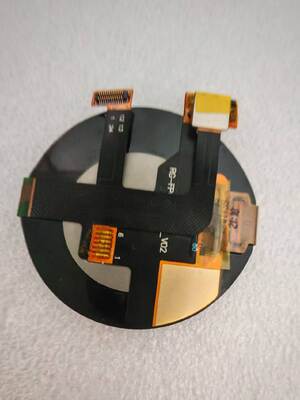
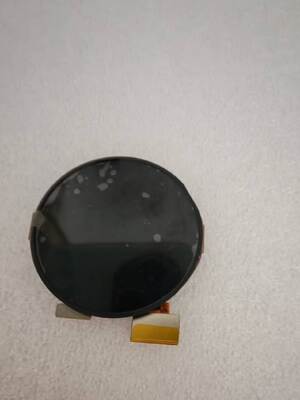
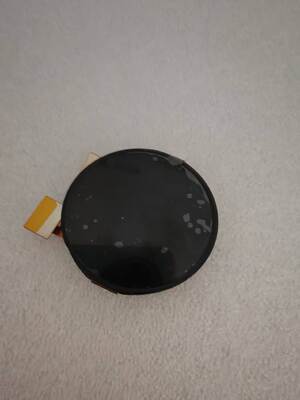
Modulo display AMOLED rotondo da 1,5 pollici con 466*466 punti e luminosità 800 cd/m²




| Luogo di origine | Cina |
|---|---|
| Marca | HuaXin |
| Certificazione | ISO14001/ ISO9001/IATF16949 |
| Numero di modello | HX150ON1499 |
| Documento | HX150ON1499 drawing Model (...1).pdf |
| Quantità di ordine minimo | 500 |
| Prezzo | $7.8 |
| Imballaggi particolari | Blister+scatola di schiuma+sacca a bolle+all'interno del cartone+cartone |
| Tempi di consegna | 6 settimane ~ 8 settimane |
| Termini di pagamento | T/T |
| Capacità di alimentazione | 50k al mese |
Dettagli
| Tecnologia di visualizzazione | rotondo AMOLED | Nome | Pannello AMOLED |
|---|---|---|---|
| Misurare | 1.5" | Risoluzione | 466*466 |
| Luminosità | 800 centesimi al giorno | Interfaccia | Mipi |
| Ctp Ic | CST9217 | ||
| Evidenziare | 1Modulo di visualizzazione di 2,5 pollici,Pannello AMOLED 466*466 punti |
||
Descrizione di prodotto
1Modulo di visualizzazione AMOLED rotondo da 0,5 pollici con Oncell Touch - 466×466 punti e luminosità 800c/d
Specificità principali
| Parte n. | HX150ON1499 |
|---|---|
| Dimensione della schermata | 1Display AMOLED rotondo da 0,5 pollici |
| Dimensione del contorno (mm) | 40.70×40.94×0.77 |
| AA Dimensione (mm) | 38.31 x 38.31 |
| Risoluzione | 466×466 |
| Interfaccia | MIPI |
| Brillantezza | 800 c/d |
| Angolo di visualizzazione | Tutti |
| IC di guida | CO5300 |
| IC di guida CTP | CST9217 |
Disegno tecnico

Conoscenza del prodotto OLED
Vantaggi dell'OLED
- Più leggero e sottile degli LCD
- Alto rapporto di contrasto
- Alta saturazione del colore
- Consumo di energia inferiore
Svantaggi dell'OLED
- AMOLED è più costoso di LCD e TFT
- La durata è più breve di LCD e TFT
Informazioni sulle società
Vantaggio di Huaxin
- Base di fabbrica situata in una città dell'entroterra che ha un costo efficace
- Nuove attrezzature più avanzate in grado di mantenere la qualità stabile
- La maggior parte dei processi utilizzano apparecchiature completamente automatiche con efficienza e qualità stabile
- Ingegneri professionisti e dirigenti di produzione con 20+ anni di esperienza nel campo LCD
- Autodisegno per il prodotto personalizzato
I nostri certificati
- ISO14001
- ISO9001/IATF16949
- SGS del modulo LCD
Huaxin Technology (Enshi) Co., LTD.
Hubei.Enshi
Data di fondazione: 2009
Impresa ad alta tecnologia specializzata in ricerca, sviluppo, produzione e vendita di LCD, LCM, TFT, retroilluminazione, OLED
Capitale sociale: 20 milioni
Personale attuale: 500+
La R & S rappresenta 10%
La QC rappresenta il 15%
Capacità di produzione
| Capacità di produzione annuale | 2021 (attuale) | 2022 (obiettivo) | 2023 (sfida) | 2024 (sfida) | 2025 (sfida) | Commento |
|---|---|---|---|---|---|---|
| Capacità di produzione LCD | 4.5 | 9 | 9 | 9 | 9 | Unità: migliaia di logaritmi/Giorno |
| Capacità di produzione di LCM | 70 | 150 | 300 | 450 | 450 | Unità: mille pezzi/giorno |
| Capacità di produzione di retroilluminazione | 100 | 200 | 300 | 500 | 500 | Unità: mille pezzi/giorno |
| Capacità di produzione di OLED | 10 | 20 | 30 | 40 | 50 | Unità: mille pezzi/giorno |
Applicazione del prodotto
- Casella di sicurezza e strumento
- Lock & smart home
- Trasmettitore e orologio
- Orologio e radio
- Collimatore e navigatore
Caratteristiche del display AMOLED
- Pixel auto-emissivi
- Alto rapporto di contrasto
- Accuratezza e vivacità dei colori
- Ampi angoli di visione
- Efficienza energetica
- Sottilezza e flessibilità
- Tempo di risposta rapido
Confronto dell'efficienza energetica
- Consumo di energia:I display AMOLED consumano energia su base per pixel, il che significa che i pixel che mostrano contenuti neri o scuri consumano pochissima energia, mentre i pixel che mostrano contenuti luminosi o bianchi consumano più energia.I display LCD e LED richiedono una retroilluminazione costante che consuma energia indipendentemente dal contenuto visualizzato.
- Dipendenza dal contenuto:I display AMOLED sono più efficienti dal punto di vista energetico per i contenuti con aree scure o nere, poiché i singoli pixel possono essere spenti per risparmiare energia.Gli schermi LCD e LED consumano una quantità relativamente costante di energia poiché la retroilluminazione rimane attiva.
- Controllo della luminosità:I display AMOLED possono regolare dinamicamente la luminosità dei pixel per una migliore efficienza in scenari a bassa luminosità.con conseguente maggiore consumo di energia.
- Dimensione della schermata:Gli schermi AMOLED tendono ad essere più efficienti dal punto di vista energetico per dimensioni più piccole, in quanto sono una scala di consumo con numero di pixel.riducendo l'efficienza rispetto ai display AMOLED della stessa dimensione.
Prodotti raccomandati